


The Ticket Price Scandal: How “Dynamic Pricing” Provoked Major Lawsuits
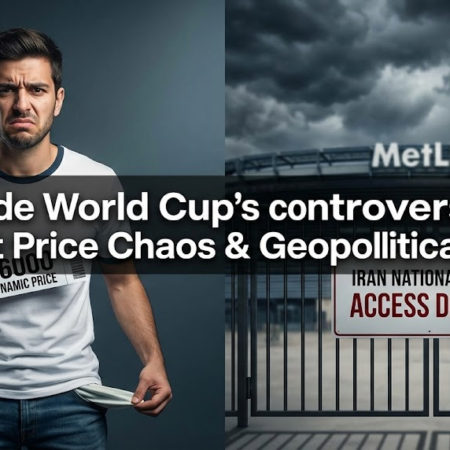
The biggest barrier for everyday football fans at the FIFA World Cup 2026 isn’t travel logistics or securing accommodation—it is the astronomical cost of entry. FIFA’s implementation of an un-capped “dynamic pricing” model, which allows ticket prices to fluctuate boundlessly based on real-time market demand, has sparked widespread outrage, fan boycotts, and heavy legal intervention from government officials.
The Broken Promise of Affordable Tickets
During the initial North American bidding phase, the host committee and FIFA heavily marketed the tournament as highly accessible, promising that ticket prices would start as low as US$21 (AU$30) to ensure local communities could participate.
In practice, those entry-level tickets were virtually non-existent for the general public. Instead, the cheapest base tickets to go on sale surfaced at US$60 (AU$86) for lower-profile group matches (such as the Group J opener between Austria and Jordan at Levi’s Stadium in California). For any match involving premier, high-tier nations, tickets quickly skyrocketed to a minimum baseline of US$200 (AU$287).
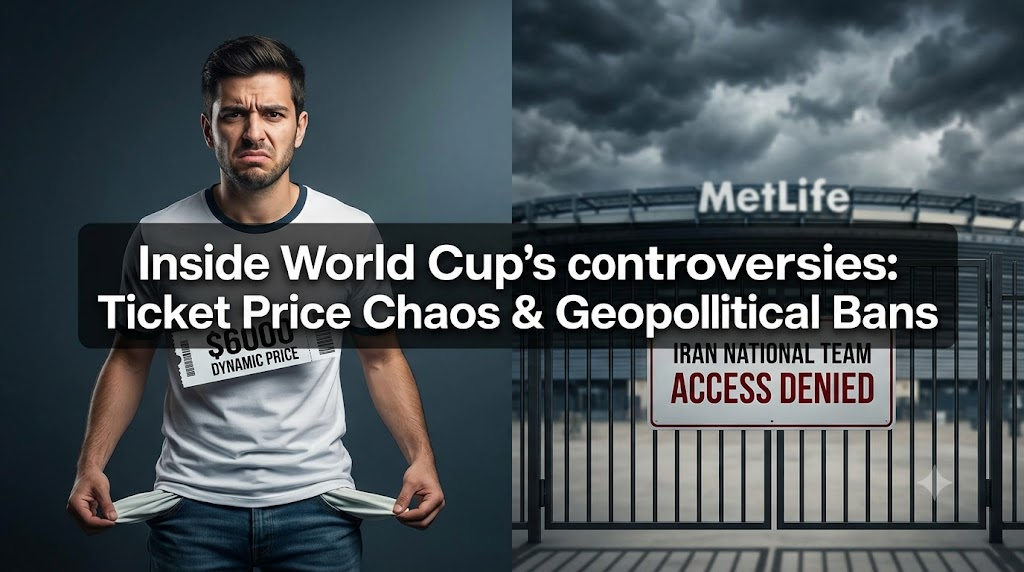
Why “Dynamic Pricing” Fueled the Chaos
Dynamic pricing—a controversial mechanic popularized by primary ticketing platforms like Ticketmaster—adjusts prices upward as demand surges. The Football Supporters Europe (FSE) group filed a formal lawsuit with the European Commission targeting FIFA’s absolute “monopoly over ticket sales.” According to the FSE, the structural flaws of FIFA’s dynamic model include:
- No Price Caps: There is no maximum limit to how high a ticket price can climb during peak queue hours.
- Zero Price Transparency: Fans joined digital queues without any clear indication of what the final cost would be by the time they reached the checkout screen.
- Artificial Inflation: Ticket costs reportedly jumped by 25% between consecutive sales phases, pricing out traditional match-going fans in favor of corporate hospitality and high-net-worth buyers.
- The $6,000 Final: At the peak of the pricing surge, the cheapest available seats for the World Cup Final reached an unprecedented $6,000—roughly seven times more expensive than the cheapest final tickets during the Qatar 2022 World Cup.
The Category 4 Illusion: To mitigate bad press, FIFA advertised a cheaper “Category 4” ticket tier priced at $60. However, these were strictly limited to 10% of each qualified national federation’s allotment. FSE data revealed that this entire inventory was completely exhausted before the general public sales window even opened.
Government Subpoenas: New York and New Jersey Strike Back
The corporate extraction of wealth from local fanbases quickly caught the attention of US state regulators. In late May 2026, New York Attorney General Letitia James and New Jersey Attorney General Jennifer Davenport officially issued subpoenas to FIFA regarding their aggressive ticket pricing manipulation and lack of consumer transparency.
The host cities of New York and New Jersey (collectively hosting eight matches, including the final at the MetLife Stadium) leveled severe allegations against the football governing body:
- Misleading Seat Allocations: Investigators allege that fans were misled about actual seat locations, paying premium “Category 1” prices for seats with obstructed or vastly inferior views.
- Engineered Scarcity: FIFA stands accused of weaponizing “fake scarcity” alerts to panic users into checking out at highly inflated dynamic rates.
"New Yorkers have been waiting years for the World Cup to come to their backyard, and they deserve a fair shot at affordable tickets. No one should be manipulated into paying sky-high prices for seats."
– Letitia James, New York Attorney General
"FIFA has turned buying a ticket to the World Cup into a gauntlet of confusion, fake scarcity, and impossibly high prices... It is an honor to host the World Cup, but the event is not an invitation to exploit our residents and visitors."
– Jennifer Davenport, New Jersey Attorney General
The Market Backlash
The extreme pricing strategy has completely fractured ticket distribution across different regions. While corporate demand has locked everyday fans out of high-profile US fixtures, other matches are struggling heavily to fill seats.
In a stark contrast highlighting the failure of the variable pricing model, nations like Saudi Arabia have actively stepped in to buy up blocks of unsold tickets to hand out for free to American-based supporters for their group stage matches against Cape Verde, Uruguay, and Spain.